Where precision meets experience. Where performance is built in.
Our approach begins with intelligent, purpose led design.
Material selection is equally critical.
Manufacturing is where engineering becomes reality.
Performance is not left to chance.



Engineering at RTN Clayton Vallely is not a department. It is the foundation of everything we do.
Every tanker we produce is the result of decades of accumulated expertise, applied with care, discipline and attention to detail. From initial concept through to final sign off, our focus is simple: build tankers that outperform, outlast and operate without compromise in the most demanding environments.
We do not chase volume. We invest in quality. That means experienced engineers, skilled fabricators and proven processes working together to deliver a product that stands apart in the market.
Compliance is built into the process, not added at the end. We work to exacting standards across safety, traceability and certification, giving operators complete confidence in the equipment they rely on.
And our responsibility does not stop at delivery. We design and build with the full lifecycle in mind, ensuring our tankers continue to perform over years of use, with durability and serviceability engineered into every detail.
RTN Clayton Vallely stands at the forefront of tanker engineering because we put more into every build. More thought. More skill. More precision. The result is equipment that sets the benchmark for quality, performance and reliability.
Engineered with intent. Proven before it’s built.
Built Around the Application
At RTN Clayton Valley, design is not guesswork and it is never generic. Every tanker begins with a clear understanding of its application, environment and operating demands. From there, we engineer a solution that performs with consistency and reliability over the long term.
Proven Before Production
Our process combines advanced 3D modelling, structural analysis and practical engineering experience. Finite element analysis allows us to predict stress, load distribution and fatigue points before manufacture begins, ensuring each design is optimised for strength without unnecessary weight.
Designed for Different Demands
Different tanker types demand different thinking. Chemical tankers require precise containment strategies and compatibility with aggressive substances. Food tankers demand hygienic design, smooth internal finishes and cleanability. Vacuum and line tankers must manage pressure, flow and structural load under continuous use. General purpose and specialist tankers are engineered around flexibility, access and operational efficiency.
Practical in Real Conditions
Every detail is considered, from baffle placement and wall thickness to access points and discharge systems. Operator usability is built into the design, ensuring controls, access and maintenance points are intuitive and practical in real world conditions.
Confidence Before Manufacture
By the time a tanker reaches production, it has already been proven in design. That is how we remove uncertainty and deliver consistent performance.
The right material, chosen for the right job. Every time.
Performance Starts Here
Performance starts with material selection. At RTN Clayton Vallely, we specify materials based on function, environment and long term durability, not cost alone.
Selected for the Tanker Type
We work with a range of high grade steels and specialist alloys, selected to meet the demands of each tanker type. Chemical tankers require materials with proven resistance to corrosion and chemical attack, often incorporating stainless steels or lined systems for safe containment. Food tankers demand certified food grade stainless steel with smooth, hygienic finishes that support cleaning and prevent contamination.
Strength Under Pressure
Vacuum and line tankers are built to withstand pressure cycles and structural stress, requiring materials with strength, resilience and fatigue resistance. General purpose tankers balance durability with efficiency, while specialist tankers may incorporate tailored material solutions to meet unique operational challenges.
Controlled from Start to Finish
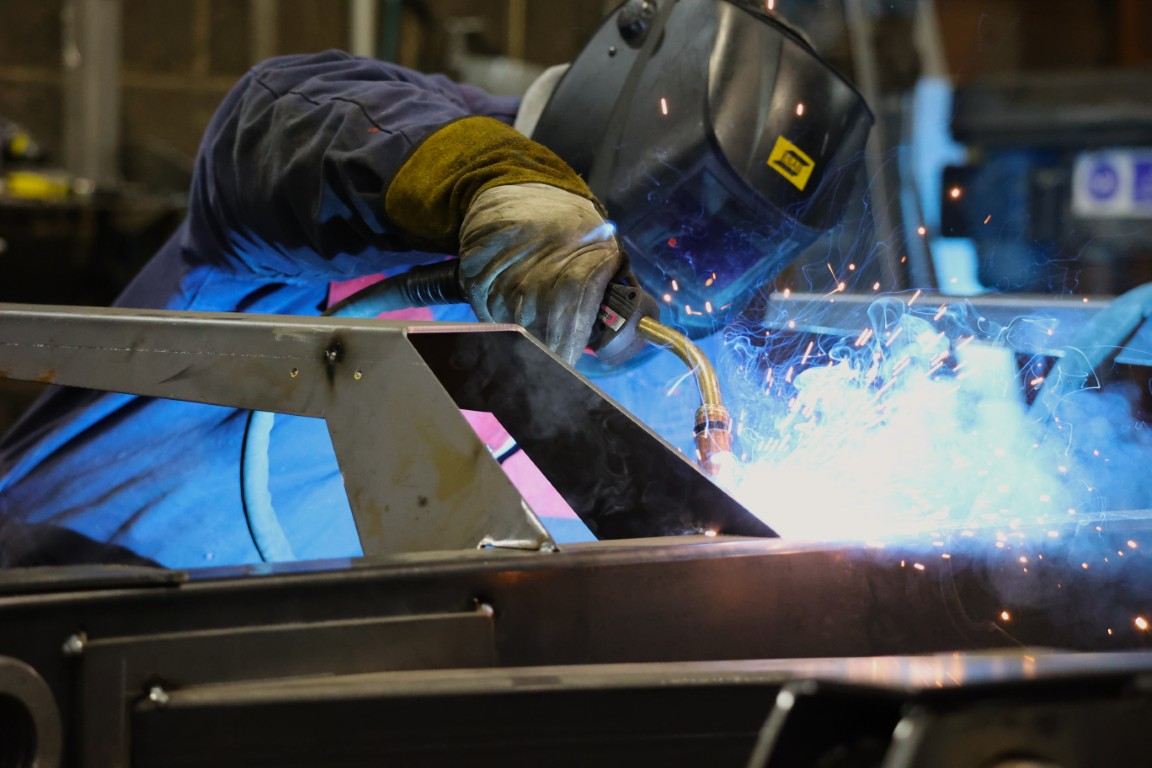
Material handling and preparation are tightly controlled. From cutting and forming through to welding and finishing, every stage is managed to preserve integrity and consistency. Weld quality, surface finish and thickness tolerances are all critical to long term performance.
No Substitutes. No Shortcuts.
We do not substitute. We do not cut corners. The materials that go into every tanker are selected and processed to deliver reliability over years of demanding use.
Proven under pressure. Ready for real work.
Tested to Perform
Every RTN Clayton Vallely tanker is tested to perform, not just to comply.
Validated Under Load
We subject our tankers to rigorous performance testing to validate structural integrity, pressure handling and operational reliability. This includes pressure testing, vacuum testing and structural checks to ensure each vessel performs safely under load.
Specific to Each Tanker
Testing requirements vary by tanker type. Chemical tankers must demonstrate secure containment and resistance under demanding conditions. Food tankers are tested to ensure hygienic integrity and cleanability. Vacuum and line tankers are assessed for pressure stability, airflow efficiency and durability under repeated cycles.
Real World Conditions
Our approach goes beyond baseline requirements. We test to replicate real world conditions, ensuring our tankers perform consistently in the environments they are built for.
Recorded and Verified
Every result is recorded, verified and traceable. Only when a tanker meets our internal standards does it move forward. If it does not meet those standards, it does not leave.
Built to meet standards. Engineered to exceed them.
Embedded from the Start
Compliance at RTN Clayton Vallely is not an afterthought. It is embedded into every stage of design and manufacture.
Built to Recognised Standards
We work to recognised industry standards and regulatory requirements across safety, pressure systems, transport and material handling. Every tanker is built with full traceability, from raw materials through to final assembly and testing.
Specific to Each Application
Different tanker types bring different compliance demands. Chemical tankers must meet strict regulations for hazardous materials transport. Food tankers must adhere to hygiene and food safety standards. Vacuum and line tankers must meet pressure vessel and operational safety requirements.
Clear Documentation
Documentation is clear, complete and accessible. Certification, testing records and material traceability are all maintained to give operators full confidence in the equipment they are using.
Built Properly. Documented Thoroughly.
Our approach is simple. We do the work properly, we document it thoroughly and we stand behind every tanker we build.
Engineered for the long term. Supported throughout.
Designed for the Full Lifecycle
A tanker should not just perform when it is new. It should continue to deliver, year after year, in demanding conditions. That is why we design with the full lifecycle in mind.
Built for Long Term Performance
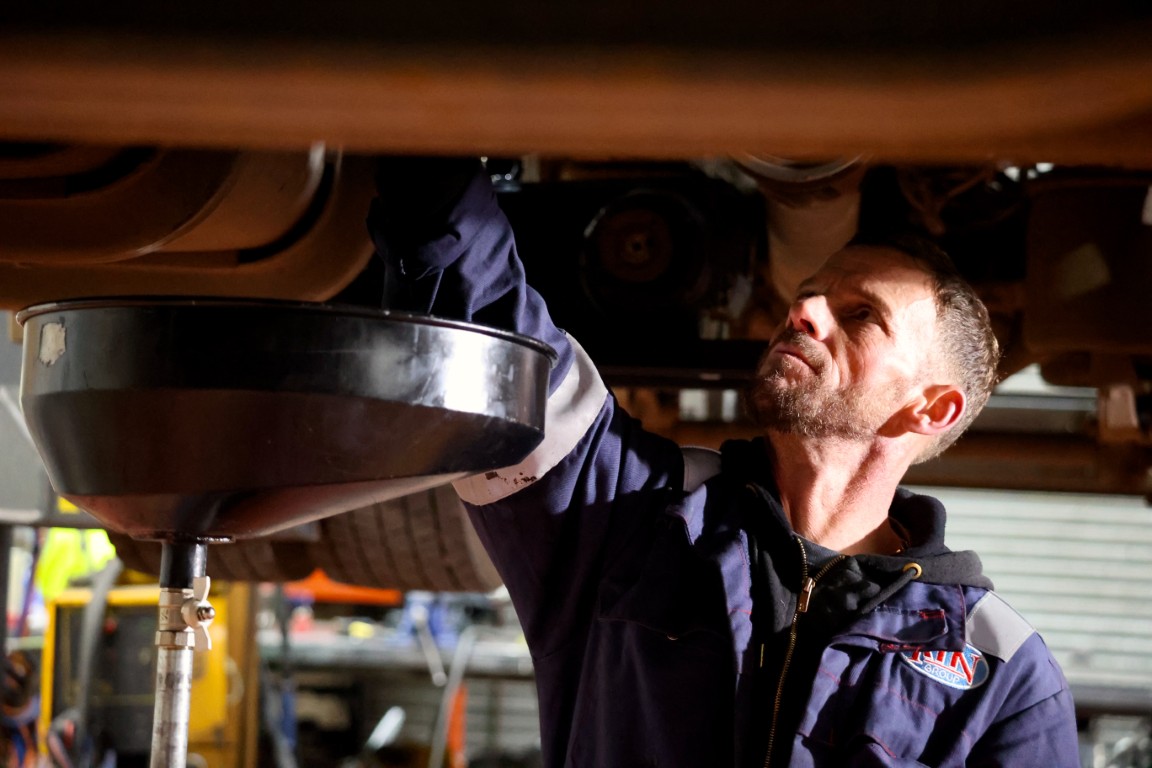
From the outset, we consider durability, serviceability and long term performance. Materials are selected for longevity. Components are chosen for reliability. Designs allow for access, inspection and maintenance without unnecessary complexity.
Durable Across Applications
Different tanker types place different demands over time. Chemical tankers must maintain integrity against corrosive substances. Food tankers must retain hygienic standards through repeated cleaning cycles. Vacuum and line tankers must withstand continuous pressure variation and operational wear.
Robust and Maintainable
We build tankers that are not only robust but maintainable. This reduces downtime, extends service life and protects long term value.
Support Beyond Delivery
Our involvement does not end at delivery. We support operators with the knowledge and expertise needed to keep their equipment performing as intended.
Quality Measured Over Time
Because real quality is measured over time, not just at handover.